


Emsculpt Gallery
$$MultiPurposeText$$
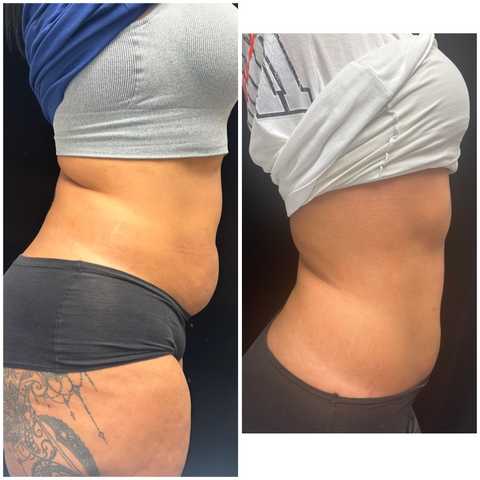
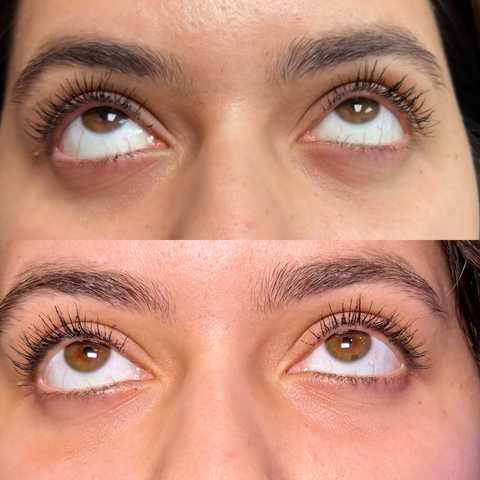
See examples of our Emsculpt work and results.





What Our Clients Say
$$MultiPurposeText$$
Read testimonials from our satisfied customers

I will happily give them all my money lol. Seriously services were amazing and the whole s...more

Ariana made the whole experience extremely comfortable!! She helped so much with my consul...more

I had such a great experience here! I worked with Maggie for my facial and Ariana, and the...more

I enjoy my experience every time! Ariana is a fantastic injector. She gives thorough expla...more

Ariana is amazing! She knows exactly what her clients need and provides the best care! I c...more

After using Zepbound a GLP-1 I lost a lot of weight which caused me to loose my butt. I we...more

Frequently Asked Questions
Get answers to common questions about Emsculpt.
Most clients follow a recommended protocol of four treatments over two weeks. Many notice tightening and improved muscle tone after a few sessions, with continued improvement over several weeks as muscle and fat changes consolidate.
Emsculpt produces strong muscle contractions that feel intense but are generally well tolerated. Sessions are non-invasive and do not require anesthesia; some clients describe muscle fatigue or mild soreness afterward, similar to a strenuous workout.
Emsculpt effectively treats the abdomen, buttocks, arms, calves, and thighs. Depending on goals and applicator availability, one or two areas can be treated per session with customized settings for optimal results.
Results can last months and often improve over 2–12 weeks. Maintenance sessions every few months plus regular exercise and healthy nutrition help preserve muscle tone and fat reduction long-term.
Side effects are generally mild and temporary, including muscle soreness, mild swelling, or skin redness. There is no required downtime, and most clients resume normal activities immediately after treatment.
Ideal candidates are healthy adults seeking improved muscle definition and reduced localized fat without surgery. It’s not recommended for pregnant women or those with implanted electronic devices like pacemakers.