

Pellets for Women Gallery
$$MultiPurposeText$$
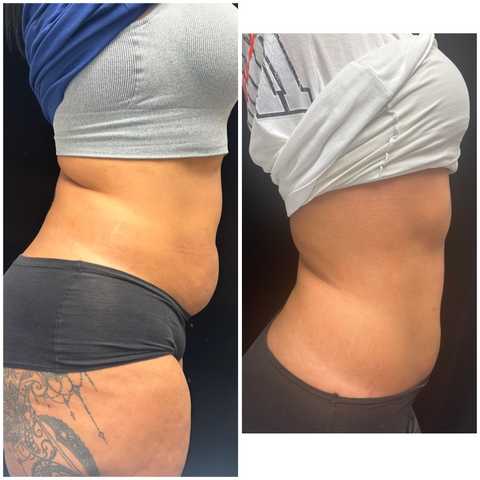
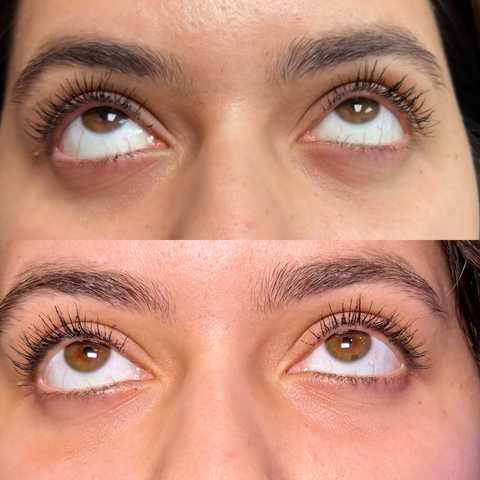
See examples of our Pellets for Women work and results.





What Our Clients Say
$$MultiPurposeText$$
Read testimonials from our satisfied customers

I will happily give them all my money lol. Seriously services were amazing and the whole s...more

Ariana made the whole experience extremely comfortable!! She helped so much with my consul...more

I had such a great experience here! I worked with Maggie for my facial and Ariana, and the...more

I enjoy my experience every time! Ariana is a fantastic injector. She gives thorough expla...more

Ariana is amazing! She knows exactly what her clients need and provides the best care! I c...more

After using Zepbound a GLP-1 I lost a lot of weight which caused me to loose my butt. I we...more

Frequently Asked Questions
Get answers to common questions about Pellets for Women.
Pellets for Women are tiny bioidentical hormone implants placed under the skin that release consistent doses of estrogen and/or testosterone. This steady delivery mimics natural physiology, reducing peaks and troughs to alleviate symptoms like fatigue, mood swings, low libido, and hot flashes.
Ideal candidates are women experiencing perimenopause or menopause symptoms, low hormone lab results, or those seeking long-term hormone optimization. We evaluate medical history, labs, and risk factors to determine safety and appropriateness, including contraindication screening such as history of certain cancers or blood clots.
Insertion is a brief in-office minor procedure where a small incision is made and pellets are placed subcutaneously. Most patients resume normal activities quickly; we provide aftercare instructions, expect minimal bruising or soreness, and schedule follow-up visits and labs to monitor response and dosing.
Pellet hormone coverage typically lasts three to six months depending on individual metabolism, hormone doses, and lifestyle. Our providers tailor dosing and monitor symptoms and labs to determine optimal replacement intervals for sustained symptom control and hormonal balance.
Common side effects are mild and transient, including localized bruising, soreness, or tiny bumps at the insertion site. Serious risks are rare but can include infection or hormonal overcorrection. We review risks thoroughly and monitor labs to minimize complications.
Most patients require pellet replacement every three to six months. Replacement timing is individualized based on symptom relief, hormone levels, and metabolic factors. We schedule routine follow-ups and labs to adjust dosing and ensure consistent therapeutic benefits over time.